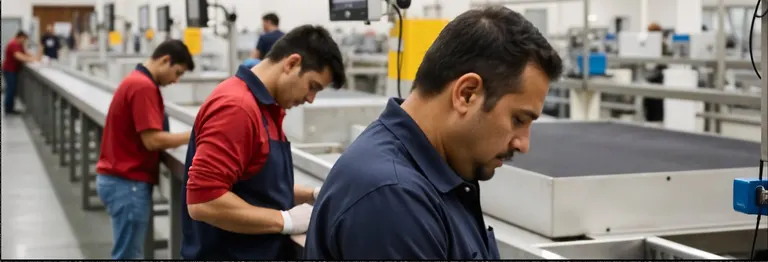

The future of deskless workers: 5 key changes

Today, deskless workers, those on the frontline in retail, logistics, or services, face unique challenges that demand practical solutions. Their roles are changing rapidly, and to improve their experience and productivity, companies must implement digitization and automation strategies tailored to their needs. These solutions not only optimize efficiency but also strengthen talent management and employee satisfaction.
In this article, we explore five essential changes that HR departments can implement to support these teams. From conflict management training to the strategic use of HR technology tools, each of these actions helps solve key issues like poor communication, handling difficult interactions, and building a strong workplace community.
Improve the experience of your deskless workforce with these changes
#1: Empower managers to improve productivity
Frontline management in 2024 highlights the importance of managers, who play a key role in employee engagement and performance. According to a Gallup study, managers account for 70% of the variance in team engagement. However, the report indicates that 66% of managers feel they are "winging it" in their role due to a lack of support and proper leadership training.
Key actions:
- Create support networks among managers: Implement group chats and forums so managers can connect and share experiences, fostering a collaborative support network.
- Reduce administrative tasks through technology: Use automation tools to simplify the manager's role, allowing them to spend more time supporting and guiding their teams.
- Continuous leadership training: Offer microlearning content on digital HR platforms so managers can improve their skills without disrupting operations.
#2: Train employees to handle difficult customer interactions
One of the main challenges for deskless workers is handling difficult interactions with customers. Conflict management training is one of the most common requests in these types of roles, as employees need practical tools to address these situations and protect their emotional well-being.
Suggested initiatives for conflict management:
- Establish customer codes of conduct: Communicate and enforce policies that protect employees in difficult situations. This gives them backing and builds their confidence.
- Advanced conflict resolution training: Invest in training that teaches de-escalation techniques, effective communication, and resilience. These skills are essential for customer service and sales workers.
#3: Turn communication challenges into opportunities to improve efficiency
A lack of effective communication is a common challenge among deskless workers. Improving communication within the organization not only strengthens engagement but also enhances operational efficiency, which is essential for companies looking to automate HR processes and optimize workflow.
Steps for effective frontline communication:
- Assess manager feedback skills: Include feedback as a core competency in manager training programs.
- Establish two-way communication channels: Use technology that allows sending messages directly to employees and receiving their anonymous feedback, fostering transparency.
- Reduce information overload with AI: Implement AI to organize and prioritize information, ensuring each worker receives only relevant messages. On platforms like Fichap, you can customize the news board and segment information by branch or team.
#4: Invest in a positive and motivating workplace community
Building a strong workplace community among deskless workers means more than just hiring more people, it also involves creating an environment where they feel valued and connected. Activities like celebrations and informal meetings are practical ways to strengthen team engagement and morale.
Key actions to build community in the deskless workforce:
- Local recognition programs: Create reward programs that managers can adapt to the culture of each branch.
- Budgets for team initiatives: Fund team events that foster a spirit of community and belonging.
- Delegate community leadership: Involve respected employees in organizing activities, which fosters a sense of shared leadership and appreciation.
#5: Leverage technology to digitize and automate HR processes
With an increasingly heavy workload for managers, HR technology is a crucial solution for improving efficiency. Artificial intelligence (AI) and automation tools help optimize repetitive tasks, such as shift scheduling and time and attendance, freeing up time for strategic work.
Key steps for implementing frontline technology:
- Clearly explain the purpose of the technology: Employees value honesty. Communicate the goal of the new tool and how it will impact their day-to-day. If the objective is to improve efficiency, being transparent can help with its adoption.
- Provide continuous training and support: Every implementation should include practical and accessible training. Resources must be available on devices that employees already use, making them easy to reference.