

7 useful prompts to streamline your HR tasks
In this article
What is generative AI?
Generative AI is a branch of artificial intelligence focused on generating authentic and contextually relevant content. These technologies use advanced language models to produce text, images, music, and more. One of the most well-known and versatile language models is GPT (Generative Pre-trained Transformer).
What is GPT?
GPT, or Generative Pre-trained Transformer, is an AI technology that has gained popularity across a wide variety of applications. It works by pre-training a model with a massive amount of text data so it can understand and generate natural language content. GPT can answer questions, write persuasive copy, create creative content, and much more.
How GPT and generative AI work
GPT and other generative models work by learning patterns from massive input data. When given a "prompt" or stimulus, they generate responses based on probability and contextual coherence. This means they can be used to write texts, brainstorm creative ideas, translate languages, and much more. Essentially, these AIs can simulate human behavior in content generation.
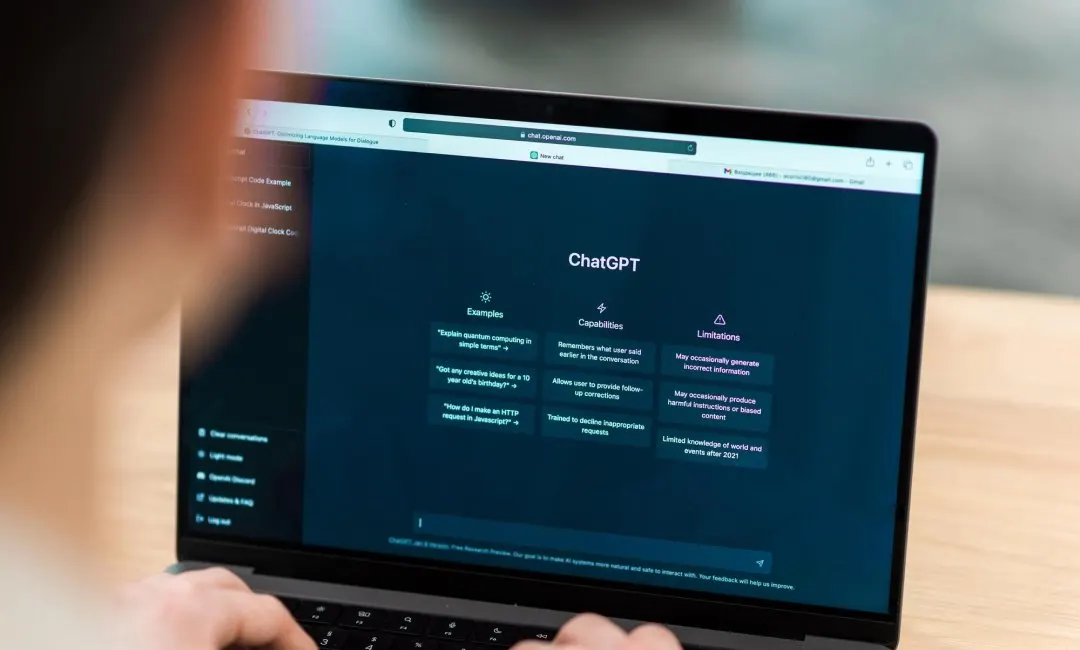
The most widely known implementation of GPT today is ChatGPT, an application fine-tuned and designed for conversational or dialogue tasks. ChatGPT was trained to generate coherent and contextual responses in conversations, and it has been refined to be highly useful in chat interactions.
What is a prompt?
A prompt refers to a specific request or stimulus provided to a language model, like ChatGPT, to get a response or generate text. In the context of generative artificial intelligence, a prompt is the input or instruction that guides the model to produce coherent and relevant content. It can be a question or any text that initiates an interaction with the generative AI. Prompts are essential for communicating with these technologies and getting the desired results.
A prompt must be clear, specific, and provide relevant context. This means explaining the situation, topic, or purpose of the request so the AI can generate a coherent response.
Why it can help HR professionals
Generative AI can be a valuable tool for HR professionals across various areas. Take note of these prompts to implement them whenever you need.
- Resume review: GPT can analyze candidate resumes and highlight the most relevant skills and experience for a specific role.
Prompt example 1: "Review this resume for a senior software engineer position. Highlight specific experience in mobile app development, notable projects, and the technologies used."
- Job interviews: It helps create effective interview questions that assess candidate aptitude more accurately.
Prompt example 2: "Provide a set of interview questions focused on evaluating a candidate's ability to lead project teams in agile environments, emphasizing real situations and examples."
- Candidate selection: It generates detailed selection criteria that include technical skills, competencies, and desirable personality traits.
Prompt example 3: "Create a set of detailed selection criteria for a sales manager position that includes leadership skills, a track record of sales achievements, team management experience, and adaptability to market changes."
- Onboarding process: It facilitates the creation of personalized onboarding plans to ensure the efficient integration of new employees.
Prompt example 4: "Outline a 30-day onboarding plan for a new software engineer. Include a list of daily tasks, specific training, and project assignments to ensure efficient integration."
- Conflict management: It provides conflict resolution and effective communication approaches for situations involving employee disputes.
Prompt example 5: "Provide a step-by-step approach to mediate a conflict between an employee and their supervisor, including identifying the issues, communicating with both parties, and resolving the problem."
- Professional development: It enables the creation of personalized professional development plans that foster employee growth.
Prompt example 6: "Provide a long-term professional development plan for a junior HR employee that includes career goals, necessary training, mentorships, and project leadership opportunities."
- HR policies: It helps draft clear and effective policies, such as remote work policies and diversity and inclusion policies.
Prompt example 7: "Draft a remote work policy detailing availability requirements, communication tools, data security, and progress reporting for employees working remotely."
"Describe the key stages for implementing a diversity and inclusion policy, including mandatory training, regular evaluation, and employee feedback."
Generative AI, like GPT, offers HR professionals the ability to automate repetitive tasks, improve decision-making, and provide a more efficient and personalized service to employees and candidates. By leveraging this technology, HR teams can streamline processes, make more informed decisions, and improve the employee and candidate experience.
We invite you to read this article on how artificial intelligence is revolutionizing the HR world.